

Neem Bath.
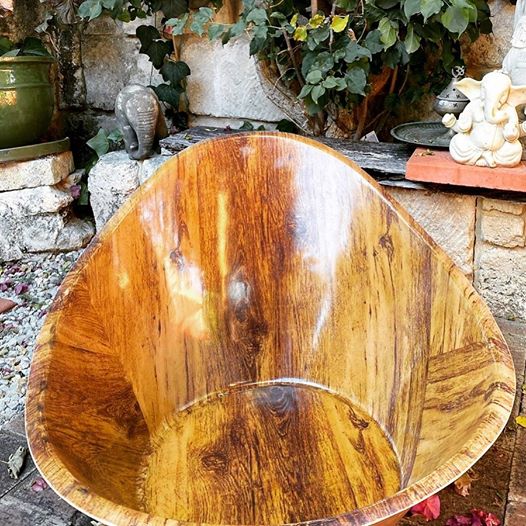

Bath the Ayurvedic Way 🛁 - Neem bath 🌿
Bathing traditions are deeply rooted in Indian culture. According to Vagbhata’s Ashtanga Sangraha:
“A good bath warms the body, gives vigour, supports longevity and strength. It also helps relieve itching, impurities, fatigue, sweat, lethargy, thirst and burning sensations.”
Snana (bathing) is a daily practice recommended in Ayurveda to remove waste products (Mala) and sweat (Sweda). It is believed to enhance:
✨ Strength (Bala)
✨ Beauty (Roopa)
✨ Clarity of voice (Swarashuddhi)
✨ Softness of touch (Sparsha)
✨ Pleasant body fragrance (Gandha)
✨ Cleanliness (Parishuddhata)
✨ Peace and wellbeing (Shanti)
Ayurveda offers some unique bathing recommendations you may not have heard before:
🛁 Avoid hot water on the head and eyes.
🛁 Avoid bathing immediately after eating.
🛁 Pour water over the back of the neck using a jug or vessel to promote strength and vitality.
🛁 Use traditional herbal bath powders instead of soap where possible. Soaps can be drying, while herbal blends containing gram flour and herbs help nourish the skin.
🛁 Add neem leaves, sandalwood powder, jasmine, roses 🌹 or milk 🥛 to your bath.
🛁 Fill the bath only to navel level when possible. This is traditionally known as Avagaha (sitz bath).
Avoid bathing if you are experiencing:
• Diarrhoea (Atisara)
• Facial paralysis (Ardita)
• Immediately after eating (Bhuktavat)
• Fever (Jwara)
• Ear pain or infection (Karnashoola)
We hope you enjoyed learning a little more about bathing from an Ayurvedic perspective. More about the benefits of bathing with Neem leaves to come soon 🌿🌿🌿
#snana #avagaha #ayurveda #neembath #studyayurveda